
By Eric Hudson April 6, 2026
Tattoo work is no longer a one-and-done scenario, and large custom pieces can take months to complete, creating a need for studios to offer flexible payment plans, quick and easy artist payouts, and tax and audit-ready records. This is usually where studios begin to feel the most pain
The challenges of this business model go beyond just cash flow. Revenue gaps, payment splitting, commission, and missing authorizations are all issues that accompany poorly executed payment systems.
Successful studios focus on the payment experience just as much as the artistic experience. This means creating robust systems to manage payment flows and compliance for multi-session packages and artist splits, keeping records clean from booking to payout. The ultimate goal is to get paid and to get paid right.
Importance of Payment Structures in Tattoo Studios

Many tattoo studios still combine different tools for bookings, payments, consent forms, and commission tracking. While this might work for some time, it creates friction when the studio expands, hires more artists, or begins to take on larger custom work.
When comparing software, most industry professionals focus on the fact that modern tattoo studios require a single, integrated solution for bookings, deposits, payments, client records, and reporting to avoid the headaches of working with multiple solutions. Clients anticipate digital booking, streamlined payment processes, and seamless communication during the appointment lifecycle.
There is a more direct financial reason to tighten this up. Payment processors designed for traditional retail businesses do not function well in tattoo studios, particularly when the tattoo artists are assigned to independent commission structures. When studio owners bear the payment risk, payment records showing the business has collected payment on behalf of the artists can create tax, legal, and reporting compliance issues. inkedmag.com
If the financial records tell a different story from the operational reality, it foreshadows significant trouble, though there is no reason to believe there was any wrongdoing.
How Multi-Session Packages Really Work in a Tattoo Studio
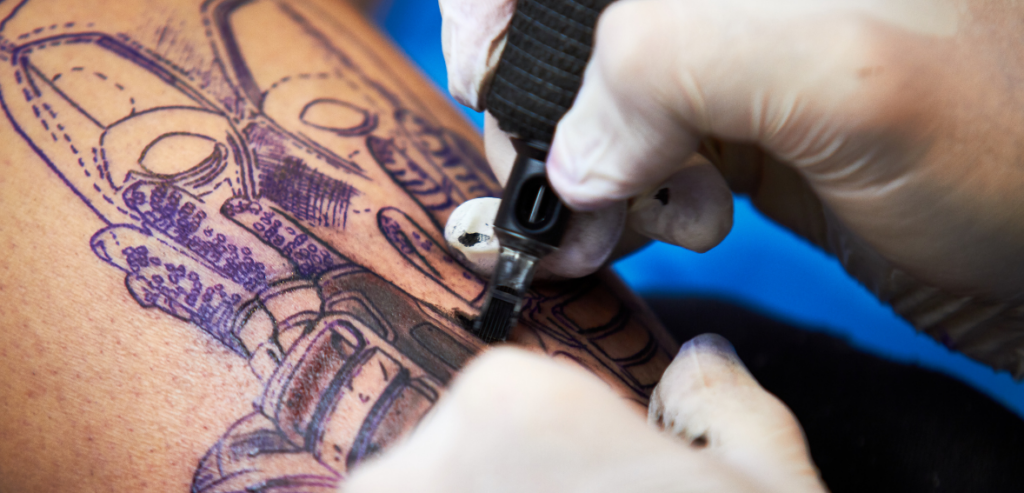
A multi-session tattoo package should not be considered a discount bundle. It is a special type of contract that requires commitment through many appointments, approvals, and operational handoffs. The client might make a deposit to secure the tattoo. The studio will provide a ballpark estimate of the total. Each session can be billed individually for time and progress, or on a schedule previously agreed upon.
This type of structure provides flexibility to both sides. The client doesn’t need to pay the entire amount upfront, and the artist can be paid as work is completed. The studio can also tie payments to specific dates, times, and services, providing a cleaner paper trail.
From the outset, it is crucial to define the package clearly. It should specify what the client is purchasing, the fixed and estimated variables, the number of expected sessions, whether the client can carry over deposits, and what will happen if the project scope changes. A short payment policy is a clear way to protect everyone. If a client is under the impression that they purchased a full sleeve, and the artist estimates it by the number of sessions, confusion will ensue.
There is no need to treat a multi-session project as a single prepaid sale unless studios plan to deliver that way. Getting a deposit is often a more straightforward approach, and then charging after each session is more work. This approach is often a better fit for services that are likely to be performed to align revenue recognition and simplify refund handling.
The Case for Session-by-Session Authorization

Regarding session-by-session authorizations, there are fewer billing issues. Instead of vague verbal approvals or unclear consent to save a card, the studio receives a clear payment confirmation for each appointment or planned charge.
This is a more straightforward authorization process and builds customer confidence in risk management. Not all tattoo projects are the same. Some clients may request more details or a complete change of direction. Charging by session allows clients to receive a price that reflects the work done.
A detailed authorization process closes the contracts for each of the following ideas: date of service, name of artist, anticipated session price or description of the pricing methodology, deposit, if any, and client agreement to the charge. Plain and clear consent for the charge to be kept on file is a must. Each client should be informed when the charge will be made, the reason for it, and the dollar amount or range.
This strategy is consistent with how many studio booking systems work today. Advanced systems integrate scheduling with workflow automation to streamline appointment confirmations, credit applications, and the creation of dispute records. It also makes it easier to capture and document consent, remind clients, and collect payments.
Streamlining Chaos: Structuring Artist Split Payouts
When it comes to artist payouts, things can quickly get out of control. A client makes a deposit in January, and a session is held in February. Another session is rescheduled, and the artist adjusts their rate. The studio has different percentage splits for large projects. The payout spreadsheet becomes a disaster.
Each session must be completed before any payout is issued, so the studio must document the gross revenue for each completed session. Any agreed adjustments, such as processing fees and supply charges, are deducted from the payout before it is calculated. The specifics of how these payouts are structured are less important than their consistency.
If the rule is in place to collect splits on deposits and final session payouts, it needs to be clear. Payout schedules vary from daily to weekly to post-payment settlement, and none of these is wrong. The payout schedule becomes a problem only if studio artists are left in the dark and unable to confirm the math.
Most of these issues can be resolved with transparent reporting. Each artist should be able to see what was charged and what was applied from the deposit, what the shop held, and what payout they earned for that session. If the system does not produce that information in a straightforward way, this indicates that the studio relies too heavily on manual reconciliation.
Why Bookkeeping Gets Messy Fast
There are a lot of moving parts in tattoo studio bookkeeping, perhaps even more than owners expect. There are deposits, tips, gift cards, artist commissions, possible booth rent, supply costs, chargebacks, and, in some cases, a hybrid employee and contractor payment arrangement. If all that goes into one sales bucket, the bookkeeping becomes useless.
This is where payment systems and bookkeeping need to be aligned. For example, you should be able to clearly see artist payments in relation to sales. If records are kept in this way, the owner can address core questions regarding profitability, artist performance, and tax exposure.
There is another broad systematic trend underlying this. New tattoo business platforms market themselves as all-in-one platforms because studio owners are fed up with pulling information from multiple calendars, consent forms, POS systems, and spreadsheets for commissions. It’s all about making everything more convenient. Other platforms are geared toward making it easier for studio owners to focus on other activities by simplifying transactional systems, allowing them to focus more on other activities rather than less critical ones.
Best Practices for Payment Handling Multi-Session Tattoos
The best studios build a process that feels simple to the client, even when the back end is detailed. Start with a written project agreement that explains the deposit, session pricing model, cancellation policy, and any estimate boundaries. On the back end, a studio should have a process to include a back-end contract that explains the deposit, the pricing model for each working session, the cancellation process and policy, and the estimated boundaries.
Before every appointment, a studio should provide a reminder of the session details and ensure the customer understands how payment will be handled that day.
Once the session is completed, the studio should charge the approved amount, correctly apply the deposit credit, and send a receipt listing the session name and the artist’s name.
The convenience of stored payment methods and cards is useful, but more importantly, the authorization is clear. This is especially true for customers. It is also true that customers often need to see the authorization before they can rightfully trust the process enough to have confidence in a custom artistic work for them.
Here, a connected system would assist. On modern billing platforms, money may first flow through the platform and then be paid out to the business. While this may be operationally acceptable, studio owners need to grasp more about how the transactions are structured and who is shown as receiving money first. The way payments are structured can impact reporting, reconciliation, and risk. assembly.com inkedmag.com.
Mistakes Tattoo Studios Make
A mistake is treating the entire estimated project value as revenue. If this value is not received, the inverse can cause bookkeeping nightmares, especially if sessions get rescheduled or canceled. The same can be said if manual texts or DMs are used to approve payment. It seems informal and easy, but records can get destroyed if that is the case. Lastly, calculating the artist payouts is also a terrible practice if that is done out of memory, a written note or a spreadsheet that is separate from the actual sale record. The more significant the studio, the more pronounced this issue is.
How payment splits work is another common mistake made with contractor agreements. If an artist is an independent contractor, the shop should be more aggressive in ensuring that payment tracking, contracts, and payout systems mirror the actual relationships in the industry.
Regulations and tax authorities look at the paperwork and money flow, not the relationships as explained verbally. This has become a greater concern as studios focus on the workings of payment systems in contractor-heavy configurations. inkedmag.com
Finding the Best Workflow for Your Studio
Every shop can have a unique approach, and there is no single ideal configuration. A private studio with a single artist can use a more streamlined system. A busy shop with multiple artists will require greater levels of control. The ideal workflow will be determined by the volume of work, the staffing arrangement, and the frequency of larger custom work that requires appointments with more than one artist.
Typically, the most effective configurations share several features. For example, there should be a single system for booking, consent, deposits, session charges, and payout reporting. Authorizations for sessions should be unambiguous. A contractor’s split should come from a given session, not from a post-session reconstruction.
Bookkeeping should segregate the flow of money to align with the actual flow of deposits, earnings, tips, refunds, and payouts. When these elements are in harmony, owners can focus on running the business rather than fixing issues.
Conclusion
It is now commonplace for tattoo artists to collaborate on multiple sessions. Many studios can no longer rely on the usual practice of integrating booking apps, card readers, spreadsheets, and a few text messages. This method is confusing for clients, creates additional administrative work for staff, and imposes a financial liability on the owners.
The smarter approach is simple in principle. Each session should be considered a unique service event. Documented service events should be authorized clearly, charged and split cleanly, and recorded accurately. When payment flow and the actual work done are aligned, the operational trust in the studio increases. This is beneficial for clients, artists, and the business.
Frequently Asked Questions
How should a tattoo studio charge for a multi-session tattoo package?
The cleanest method is usually to collect a deposit up front and then charge each session as it happens. That keeps billing tied to actual work performed and makes records easier to manage.
Should tattoo studios get payment authorization for every session?
Yes, in most cases, that is the safest approach. It creates a clear record of what the client approved and reduces confusion or disputes when projects change over time.
How can tattoo shops calculate artist split payouts more accurately?
They should calculate each payout from the completed session record, not from memory or a separate spreadsheet. That record should show the session charge, any deposit applied, and the agreed split formula.
What makes custom projects difficult for tattoo shops and their bookkeeping?
There are many factors, such as the timing of payments, deposits, tips, refunds, multiple appointments, and commissions for the artists. Each of these affects the books differently. If these items are not individually tracked, the financial reports are likely to become inconsistent with the actual financial activities.